

Key Takeaways
- Soft tissue injuries vary in type and recovery time, often affecting muscles, ligaments, or tendons after a car accident.
- Recovery may range from a couple of weeks to several months based on severity and individual factors.
- Prompt medical attention and following a treatment plan are vital for complete healing.
- Left untreated, these injuries can lead to chronic pain and long-term complications.
Soft tissue injuries frequently occur after car accidents, with victims suffering from damage to muscles, ligaments, or tendons. Knowing how long these injuries may last is essential for understanding the healing process, guiding recovery expectations, and determining when to seek legal help after a car crash if your injuries interfere with normal life or work.
While bruises and muscle pain might resolve quickly for some, others may deal with lingering symptoms for weeks or even months. Having a clear understanding of timelines and professional guidance on recovery can help you make informed decisions about treatment, work obligations, and, if needed, legal steps.
Soft tissue injuries can also impact mental health and daily functioning, underscoring the importance of support and timely intervention. Not all symptoms are obvious initially, making follow-up care and monitoring essential for people of all ages involved in vehicle collisions. For general insight into how accidents affect long-term health, visit this Mayo Clinic resource.
Common Types of Soft Tissue Injuries
Several forms of soft tissue damage are commonly associated with vehicle accidents:
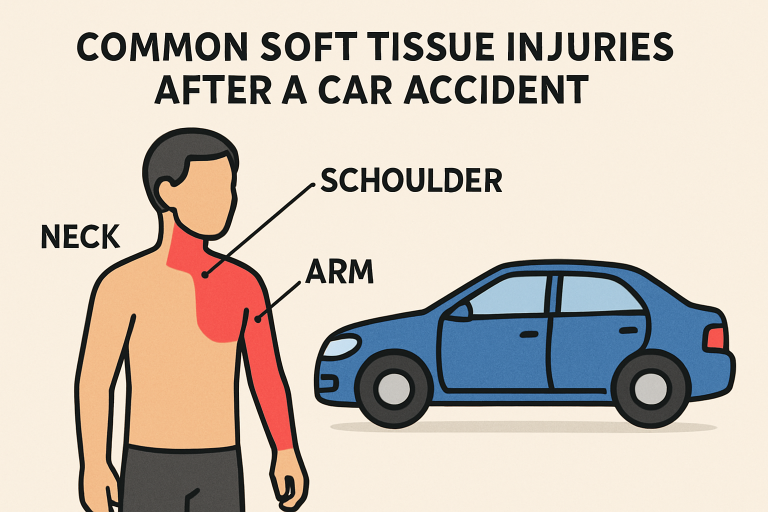
- Whiplash: Characterized by sudden, forceful neck movement, leading to symptoms like neck pain, stiffness, and headaches.
- Muscle Strains: Involves overstretching or tearing of muscle fibers, often causing localized pain and swelling.
- Ligament Sprains: Stretching or tearing of ligaments, the bands connecting bones, resulting in instability or bruising.
- Tendon Injuries: Occur when tendons, which connect muscles to bones, are damaged, leading to tenderness, swelling, or weakness.
- Contusions: Deep bruises that affect the soft tissues under the skin, sometimes accompanied by swelling or discoloration.
Typical Recovery Timelines
The duration of soft tissue injury recovery depends largely on the extent of the damage. Healthcare professionals mainly describe the healing process in three grades, each with its own expected timeframe:
- Grade 1 (Mild): Injuries present with minor tenderness and swelling. Most people can expect recovery within 1 to 2 weeks.
- Grade 2 (Moderate): Partial tears with a moderate level of pain. These injuries usually resolve within 3 to 4 weeks with consistent care.
- Grade 3 (Severe): Involves significant pain and swelling due to major tears or ruptures. Recovery in these cases can take several months and may require additional interventions such as physical therapy or, occasionally, surgery.
It is important to remember that these estimates can vary. Every injury and individual is unique, and factors such as age, health, and adherence to prescribed treatments will significantly influence outcomes. For more detailed information about recognizing and dealing with soft tissue injuries, consult this article from Harvard Health Publishing.
Factors Influencing Recovery
- Age: Older adults often heal more slowly than younger individuals due to natural changes in tissue resilience and cell repair rates.
- Overall Health: Chronic conditions like diabetes or immune disorders can complicate or delay healing.
- Prompt Medical Attention: Early diagnosis and management help minimize complications and speed up recovery.
- Adherence to Treatment Plans: Consistently following prescribed rehabilitation exercises, medication regimens, and lifestyle recommendations is crucial for optimal healing.
Delayed Onset of Symptoms
It is common for symptoms of soft tissue injuries to be masked in the first hours or even days after a collision. Hormones like adrenaline can temporarily block pain or inflammation, causing individuals to underestimate their injuries immediately following an accident.
Symptoms such as aching, stiffness, or swelling may emerge later, highlighting the importance of ongoing observation and not dismissing minor discomfort or changes in mobility. Prompt medical evaluation, even in the absence of sharp pain, can help identify underlying damage early and prevent complications.
Potential for Chronic Issues
If left untreated, soft tissue injuries can progress to chronic pain syndromes or long-term limitations. For example, persistent whiplash may cause restricted neck movement, recurring headaches, or ongoing discomfort, impacting quality of life and complicating routine activities. Early intervention with medical treatment and physical therapy is crucial to minimize these risks and encourage full recovery.
Importance of Medical Evaluation
No matter how minor an injury may feel, it is always advisable to seek a thorough medical examination after a car accident. Healthcare providers can evaluate the true extent of damage, recommend individualized treatment plans, and monitor your recovery for any changes. This proactive approach reduces the risk of lasting damage and ensures you have the medical records needed for insurance or legal claims.
Conclusion
Soft tissue injuries after a car accident come in many forms and can require varying lengths of time to heal, depending on severity and personal health factors. Prompt diagnosis, comprehensive treatment, and ongoing follow-up provide the best opportunity for full recovery. If you have been involved in a car accident, make your health a priority by consulting a healthcare provider as soon as possible, and understand that seeking proper support midway through recovery can make a significant difference in your long-term outcome.
