

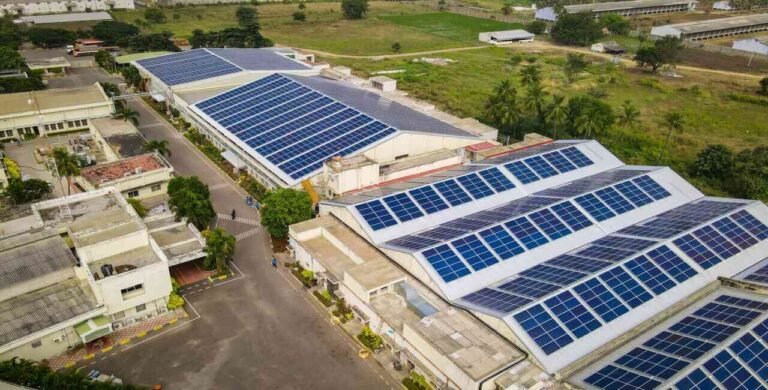
Commercial solar projects succeed when their electricity output matches the financial reality of the business occupying the building. This is a familiar challenge in commercial power projects, where decisions made early can restrict operation for years. Start with an operating requirement that can be verified in the field. Procurement language is much more useful when engineers, owners and operators agree on the same boundary of responsibility.
Begin With Interval Data
A building with strong annual electricity demand can still be a poor match for rooftop generation if most consumption occurs after sunset. Use interval-meter records across normal and peak periods to establish the overlap. Seasonal business closures and changing shift patterns matter. The generation forecast should be tested against operations rather than compared only with annual bills.
Make Faults Easy to Locate
Monitoring at appropriate string or inverter granularity can reduce diagnosis time, particularly across scattered rooftops. Alerts need location identifiers that technicians recognize in the field. A failure that is detected immediately but cannot be safely accessed still causes losses. Include isolation procedures and access arrangements in the maintenance plan.
A practical way to evaluate C&I Solar against the real constraints of this location, not the capabilities of an ideal test site. Tenant arrangements, interval tariffs and roof condition can matter as much as inverter performance.
Review Operations After Handover
Cleaning frequency, roof access, fault escalation and inverter service affect long-term output. Establish reporting based on weather-adjusted performance where practical, rather than treating every low-energy day as a fault. The building manager must know how to arrange maintenance without disrupting occupants. Assign responsibility for keeping plant documentation current.
A project may become difficult to finance if warranties and maintenance responsibilities are unclear.
Ask for Comparable Evidence
References should resemble the proposed installation in roof type, grid conditions and business operating pattern. A case study with a spectacular annual yield under different weather is not a substitute for an engineering estimate. Request sample maintenance reports and performance assumptions. The most valuable vendor evidence helps explain performance variation, not just a perfect outcome.
Understand Monitoring Limits
A monitoring app can reveal production, consumption and equipment status, but its usefulness depends on correct meter placement and network connectivity. Owners need to know which data are measured and which are estimated. When a communication link fails, local electrical safety functions must remain independent of the app display.
The case for C&I Solar is best established through a measurable site-level outcome. Compare proposals on measurable generation and contractual responsibilities.
Model Revenue Conservatively
Avoid combining every possible benefit at its maximum value. A battery cannot simultaneously dedicate the same capacity to energy shifting, demand reduction and emergency reserve. Work with mutually consistent dispatch scenarios, including low-utilization periods. The most persuasive financial model shows which benefits remain under less favorable prices, loads and weather.
A relevant product reference for C&I Solar can help frame the final acceptance tests. Supplier documentation still needs to match the selected configuration.
