

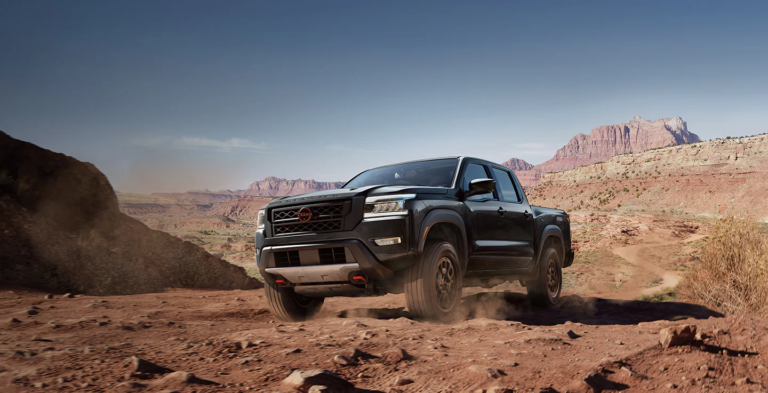
Finding the ideal truck is essential, whether you need it for transporting goods, outdoor adventures, or daily city commutes. The overwhelming number of options on the market makes it vital to weigh your choices carefully to ensure you select the best fit for your lifestyle and budget. Making the right decision starts with clarity on requirements and understanding what trucks offer in terms of features and performance. Learn more about your choices and the latest models available as you begin this journey.
The right truck can streamline your work, enhance your recreational enjoyment, and reduce future costs through reliability and efficiency. As you compare models and configurations, use this guide as a framework to explore not only size and power but also safety, comfort, and long-term costs. By doing so, you prepare yourself to make a knowledgeable investment.
Knowing what matters to you might include storage space for equipment, family-friendly passenger seating, or specific technology features. It’s important to align your expectations with what modern trucks can deliver. Take the time to examine these factors, as the decision has a lasting impact on your everyday mobility and peace of mind on the road.
Industry developments such as improved fuel efficiency and advanced driver assistance systems have rapidly changed the landscape. Updates regarding towing capacity and new powertrain options, including hybrids and all-electric trucks, offer even more tailored solutions for prospective buyers.
Assess Your Needs
Start your search by clarifying your intentions for the truck. If you’ll use it for daily commuting or family outings, comfort and fuel efficiency may take priority. Those hauling heavy materials for work or recreation will need to focus on towing and payload. A worksite vehicle typically calls for durability and rugged capability, while weekend adventurers require a model suited for off-road travel. Detailing your needs first allows you to avoid paying for unnecessary features.
Understand Truck Sizes and Classes
Truck classifications help narrow down your options.
- Light-Duty Trucks: Light-duty trucks like the Ford F-150 and Chevrolet Silverado 1500 are reliable for personal use, lighter hauling, and city maneuvers. Their versatility remains unmatched for most drivers.
- Medium-Duty Trucks: If heavy tools or frequent towing are in your plans, you’ll need to step up to a medium-duty truck, such as the Ram 2500 or Ford F-250. These vehicles hit the middle ground for people demanding more muscle than everyday pickups.
- Heavy-Duty Trucks: For the highest towing limits and commercial-grade durability, heavy-duty trucks like the Ford F-350 and Chevrolet Silverado 3500 are engineered to withstand tough demands and challenging terrains.
Selecting the right class reduces the chances of premature wear or vehicle strain while assuring you’re not spending excessively for capability you don’t need.
Evaluate Towing and Payload Capacity
Accurate measurement of the gear and loads you anticipate carrying is fundamental. An overloaded truck not only presents safety risks but can also lead to more costly repairs and reduced lifespan. Review the manufacturer’s specifications for towing and payload capacity, which often vary even within a model line based on engine and configuration. For example, a truck that suffices for lightweight campers may be inadequate for a horse trailer or construction machinery. Consult the Kelley Blue Book Towing Capacity Guide for more detailed recommendations on specific trucks and trailering scenarios.
Consider Engine Types and Fuel Efficiency
Matching the matching engine’s performance to your real-world use ensures satisfaction and cost savings.
- Gasoline Engines: These are often standard for light-duty trucks, delivering good acceleration and manageable maintenance costs.
- Diesel Engines: Diesel options offer greater torque and superior towing for heavier tasks, though they often mean higher purchase prices and specialized care.
- Electric and Hybrid Engines: Electrified trucks are becoming more mainstream due to lower emissions and reduced operating expenses. These are particularly advantageous for urban or short-range users.
When assessing these powertrains, consider not only your usual driving and hauling habits but also factors like local fuel prices and available tax credits for electric vehicles.
Explore Cab and Bed Configurations
Configurations significantly influence overall comfort and cargo management.
- Regular Cab: Featuring two to three seats, it is the go-to for work crews needing minimal passenger space.
- Extended Cab: Suitable for smaller families or those needing additional cargo room behind the seats.
- Crew Cab: Offers full-sized rear seats, making it perfect for those combining work and family use.
Truck bed lengths typically range from short (about 5.5 feet) to standard (up to 8 feet) for long beds. Balance your cargo requirements with the cabin space you need, considering parking and maneuverability in your daily environment.
Review Safety Features
Modern safety technology should not be overlooked. Look for:
- Advanced airbag systems
- Anti-lock braking systems (ABS)
- Electronic stability control to prevent skidding
- Blind-spot monitoring to alert you to unseen vehicles
- Rearview and surround-view cameras for easier parking and reversing
Trucks that achieve high safety ratings in third-party evaluations often offer the best protection for drivers and passengers. The Insurance Institute for Highway Safety regularly tests and rates trucks, which can be a valuable resource during your research.
Budget and Total Cost of Ownership
Think beyond the sticker price. Long-term expenditures like insurance, registration, scheduled maintenance, and possible repairs add up over time. Reliability can vastly differ between models, so it pays to read consumer reviews and consult reliability ratings. Financing packages and manufacturer promotions occasionally lower your upfront costs. Make sure your final choice delivers value over the life of the vehicle, not just at the dealership.
Must Read: The Importance of Professional Measurements in Commercial Window Replacement
Test Drive and Final Decision
Test driving several trucks gives you critical insight into what works best for your specific needs. Focus on visibility, ergonomics, storage options, and ease of handling under various road conditions. Simulate scenarios such as parking in tight spaces or driving with a trailer attached to assess whether the truck meets your expectations. The decision you make will shape your routines for years to come, so take the time to get it right.
Making a deliberate choice in your truck purchase translates into improved performance, enhanced comfort, safer driving, and long-term savings. Use all available resources, ask plenty of questions at the dealership, and review independent test results to support your decision-making. Your perfect truck is out there, waiting to be discovered.
