

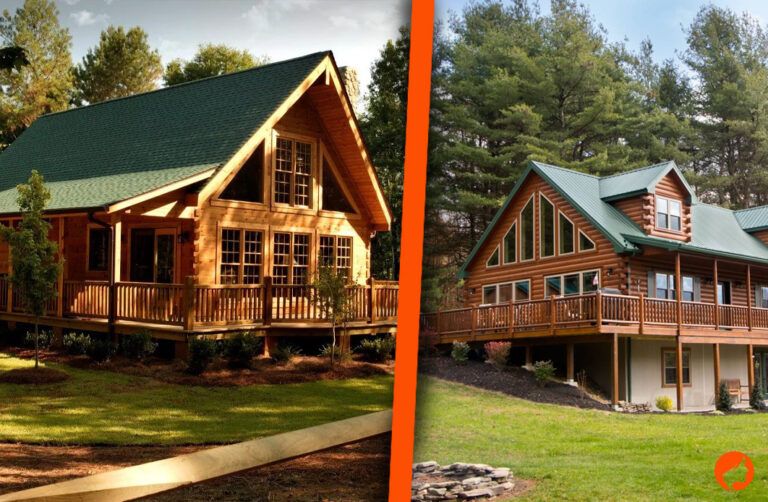
In the search for a home that balances rustic aesthetics with modern comforts, many are turning to log cabin home kits for their blend of affordability, craftsmanship, and connection to the natural world. With the rise in homeowners seeking unique, eco-friendly housing, kits for log homes have become a practical gateway to achieving the timeless charm of a cabin while staying within budget.
These home kits appeal not just for their eye-catching wood design, but also because they can be assembled on a variety of sites and allow for significant customization. Whether for a serene retreat, an efficient ADU, or a family homestead, log cabin kits meet a diverse set of needs with flexible layouts, energy-saving features, and durable materials.
Beyond their curb appeal, new generations of log cabin kits emphasize sustainability. Many companies source lumber responsibly and implement eco-friendly construction techniques, resulting in lower maintenance requirements and longer-lasting structures.
Moreover, the financial advantages are significant. Compared to traditional site-built homes, kits are often prefabricated, making them easier and faster to assemble, which reduces labor costs and construction time. This affordability is helping make homeownership a reality for many, especially in areas where conventional homes are cost-prohibitive.
Why Choose a Log Cabin Home Kit?
Adopting a log cabin home kit has multiple compelling advantages. Foremost is cost-effectiveness: since much of the structure is prefabricated, material waste is minimized, and construction setbacks are reduced, allowing homeowners to stay within their budgets and move in quickly. For eco-conscious buyers, many kits feature sustainably harvested wood and other environmentally friendly materials, which supports a lighter carbon footprint.
- Cost-Effectiveness: Kits for log homes are often far less expensive than traditional custom builds, especially for remote or vacation sites.
- Sustainability: Using renewably sourced timber and minimizing transportation waste helps preserve forest resources.
- Customization: Many packages include options for personalized floor layouts, ranging from cozy studios to multi-bedroom getaways.
Key Features of Modern Log Cabin Kits
The contemporary log cabin kit market caters to today’s demand for both style and practicality. Energy efficiency is a prominent feature; high-quality insulation, tight-fitting windows, and modern HVAC systems keep energy bills low, even in off-grid locations. Open-plan designs make small footprints feel airy and bright, while building materials are selected for their ruggedness and lasting appeal.
- Energy Efficiency: Log cabins outfitted with modern insulation and windows maintain comfortable interiors and keep energy costs manageable.
- Open Floor Plans: Flexible spaces adapt easily for everyday living, entertaining, or working from home.
- Durable Materials: Premium wood species and robust construction techniques ensure that these homes withstand the weather and the test of time.
Many newer kits incorporate advanced design elements and green building practices, reflecting a growing movement toward sustainable living. According to Architectural Digest, these features make modern log cabins a desirable investment for both primary and vacation homes.
Considerations Before Purchasing
When evaluating a log cabin home kit, a few preparatory steps can help avoid costly surprises. Start by confirming your land is suitable—level ground and access to utilities like water and electricity are critical. It’s also crucial to review your local zoning ordinances and building codes, as requirements vary substantially by region and can affect what type of kit you can install.
- Site Preparation: Clearing, leveling, and preparing your land ensures a safe and speedy construction process.
- Local Regulations: Obtain permits and approvals by consulting with your city or county before commencing your build.
- Budgeting: Factor additional costs beyond the kit, such as concrete foundations, contractor labor, or specialized finishes. For more details about cost breakdowns, please visit Forbes Home.
Steps to Assemble Your Log Cabin Kit
The assembly process for a log cabin home kit is methodical yet approachable, especially with the detailed instructions most suppliers include.
- Foundation: The proper foundation—slab, crawlspace, or pier—depends on your local soil and climate.
- Frame Assembly: Once the base is in place, stack and secure the logs and roof trusses according to the step-by-step instructions in your kit.
- Interior Work: Complete wiring, plumbing, and interior insulation for comfortable year-round living.
- Final Touches: Apply a weather-resistant exterior finish, install utilities, and landscape to create a welcoming environment.
Maintaining Your Log Cabin Home
Proper maintenance preserves the beauty and durability of your log home. Regularly inspect for cracks, moisture damage, and signs of insect activity, then reseal as needed to safeguard against weather and pests. Cleaning the exterior and trimming vegetation reduces the risk of mildew or rot, ensuring your cabin remains a healthy, lasting investment.
- Sealing: Keep the wood protected from environmental damage with periodic sealing and staining.
- Inspection: Twice-yearly inspections help catch minor issues before they become costly repairs.
- Cleaning: Brush off debris, wash the walls, and clear gutters to maintain the cabin’s integrity.
Must Read: Software Doxfore5 Dying Guide: What to Do Before It’s Too Late
Conclusion
Affordable log cabin home kits provide an appealing entry point for those seeking a cost-effective and environmentally conscious lifestyle without sacrificing modern comfort. These kits enable homeowners to appreciate the rustic charm of natural wood construction, paired with practical, contemporary layouts that facilitate everyday living. By carefully selecting the right kit, preparing the building site correctly, and adhering to recommended maintenance practices, owners can preserve the cabin’s structural integrity and beauty for decades. Regular sealing, inspections, and upkeep help protect the home from weather and wear. Whether envisioned as a peaceful personal retreat, a vacation getaway, or a full-time family residence nestled in nature, a well-planned log cabin can deliver long-lasting value and a sense of harmony with the environment.
