

In today’s manufacturing landscape, businesses and builders have more choices than ever when it comes to producing metal components. While mass manufacturing remains a reliable option for large-scale, repetitive production, many organizations are turning to custom metal fabrication for solutions that require precision, flexibility, and unique design capabilities. Understanding the differences between these two approaches can help project leaders, architects, and contractors select the right method for their needs.
What Is Custom Metal Fabrication?
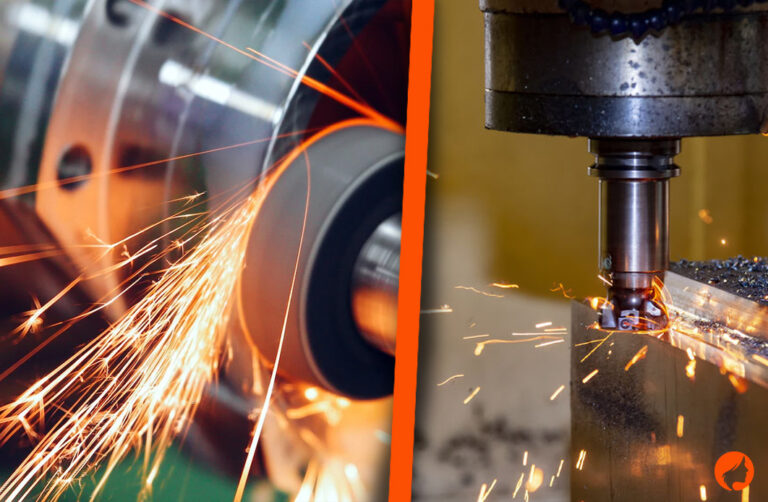
Custom metal fabrication involves creating metal components or structures tailored to the exact specifications of a project. These services often include cutting, forming, welding, machining, and finishing all performed based on the customer’s design requirements. Rather than fitting a project into a predefined mold, custom fabrication adapts to the project itself.
This level of customization is especially valuable in sectors like construction, architecture, industrial manufacturing, and specialty product development. Whether it’s a structural support component, a decorative architectural feature, or a complex assembly, custom fabrication allows for a precise and reliable fit.
What Is Mass Manufacturing?
Mass manufacturing focuses on producing high volumes of identical parts using standardized processes. Automated equipment and assembly lines create consistency, making this approach ideal for products that do not vary in design such as consumer goods, automotive parts, and hardware items. The main advantage is efficiency: once production is set up, parts can be made quickly and cost-effectively at scale.
However, mass production is not designed to accommodate unique specifications or one-off builds. If you need something that’s not already part of the manufacturing line, adjustments can be expensive and time-consuming.
Key Differences Between the Two Approaches
1. Flexibility and Customization
Custom metal fabrication provides a degree of flexibility that mass manufacturing cannot match. Every project can be designed from scratch, allowing for specialized shapes, sizes, and materials. This is essential for construction projects and architectural elements where accuracy and customization are critical.
2. Volume and Production Scale
Mass manufacturing excels at high-volume production. If thousands or millions of identical parts are required, it’s usually the most economical choice. Custom fabrication, on the other hand, is more suited to low-volume or one-off projects where detail matters more than quantity.
3. Project Complexity
Custom metal fabricators are equipped to handle complex or unconventional designs. Skilled technicians, advanced fabrication tools, and collaborative design processes allow them to bring unique concepts to life. Mass manufacturing tends to prioritize efficiency over complexity.
4. Lead Time
Mass manufacturing typically offers shorter per-unit production times once the system is set up, but initial tooling and setup can take weeks. Custom metal fabrication often has shorter setup times and is ideal for projects that need specialized components without long delays.
5. Cost Structure
Mass-manufactured parts are generally cheaper per unit when produced in large quantities. Custom metal fabrication may have a higher cost per piece, but it delivers value through precision, flexibility, and project-specific solutions often eliminating the need for modifications in the field.
Which Option Is Right for Your Project?
The choice between mass manufacturing and custom metal fabrication depends on the project’s goals. If your priority is producing a large number of identical parts, mass manufacturing is likely the best fit. If your project requires precision, unique features, structural integrity, or specialized design work, custom metal fabrication provides a tailored solution built specifically for your needs.
Both methods play important roles in modern industry, but custom fabrication stands out whenever creativity, accuracy, or technical challenges are involved.
Must Read: How a ChatGPT Visibility Agency & AI SEO Agency Are Reshaping Digital Growth in 2025
