

Key Takeaways
- Proper tree maintenance can increase property value by up to 20%.
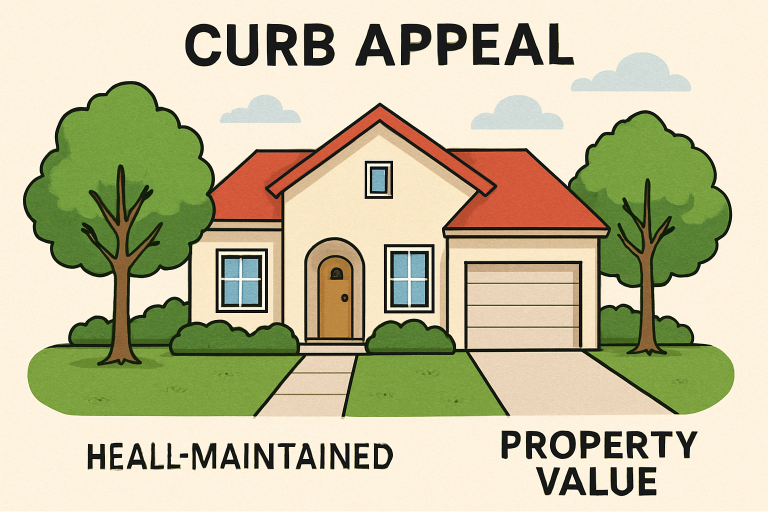
- Healthy trees improve curb appeal and attract potential buyers.
- Regular care prevents safety hazards and costly damages.
- Strategic tree placement can reduce energy costs.
Properly caring for the trees on your property extends far beyond simply enhancing the appearance of your landscape. Regular, strategic maintenance acts as an investment, delivering financial and environmental rewards for homeowners. In fact, by prioritizing Residential Tree Service, you help boost curb appeal, increase energy efficiency, and make your property safer and more attractive to potential buyers.
Healthy, thriving trees not only create a welcoming environment but also offer tangible benefits that can directly influence your home’s market value. With the right approach, your yard can stand out in a competitive real estate market, drawing attention from prospective buyers and creating lasting value. If your trees are thriving and well-maintained, it’s a visible sign that you take pride in homeownership and long-term property care.
There’s another advantage—routine tree work reduces risks associated with neglected landscapes. Addressing tree health through regular care means you’ll be able to prevent avoidable property damage, eliminate safety hazards, and foster a healthier environment both inside and outside your home. Regular pruning, fertilizing, and inspections form the basis for any robust tree care plan.
When homeowners learn to leverage services such as tree trimming, they ensure that their landscape investments are both protected and poised for long-term growth.
Boosting Property Value with Healthy Trees
Investment in regular tree maintenance can yield a significant return when it comes time to sell your home. According to HGTV, homes with mature, well-maintained trees can see an increase in property value of up to 15-20%. This boost is attributed to the perceived effort and investment homeowners put into their landscapes, signaling quality and care to buyers. The structural beauty and shade that healthy trees provide also contribute to lasting curb appeal.
Enhancing Curb Appeal
First impressions count, particularly in real estate. Homes with lush, properly pruned trees naturally garner more attention during showings and drive-bys. The inviting nature of a well-shaded avenue or a flowering tree at the entryway can tip the scales in your favor when it’s time to sell. Research published by the New York Times highlights that homes with mature street trees can command higher prices and sell faster than comparable homes without them.
Why Curb Appeal Matters
Buyers are naturally drawn to properties with vibrant landscaping, and healthy trees are often the focal point. In addition, neighborhoods with mature canopy cover have been linked to higher overall property values and desirability, creating a positive ripple effect throughout the community.
Preventing Safety Hazards
Trees that are ignored or improperly maintained may develop hidden risks—such as dead branches or weakened trunks—especially after storms or high winds. Proactive tree care helps identify these concerns before they cause damage to property, vehicles, or even residents. Inspecting trees annually and removing hazardous limbs can save homeowners thousands of dollars in repairs and mitigate liability.
Energy Efficiency Benefits
Trees serve as natural insulators, providing cooling shade in summer and blocking cold winds in winter. According to the U.S. Department of Energy, strategically positioned shade trees can reduce energy consumption for air conditioning by up to 25%. Beyond cost savings, this reduces a household’s environmental footprint through lower energy usage year-round. Learn more about energy-efficient landscaping.
Environmental and Health Advantages
Mature trees don’t just beautify your surroundings—they actively filter the air, absorb atmospheric pollutants, and produce the oxygen we all rely upon. Green spaces have been linked to reduced stress and improved mental health, while tree cover helps lessen noise and creates habitats for birds and beneficial insects. A well-landscaped property contributes to the broader community, enhancing the quality of life for everyone in the neighborhood.
Best Practices for Tree Maintenance
- Regular Pruning: Remove dead or diseased limbs to encourage healthy new growth and maintain shape.
- Soil Health: Test and amend soil as necessary to provide optimal nutrition and drainage for trees.
- Pest and Disease Management: Monitor for early signs of infestation or decay and take prompt action to prevent their spread.
- Mulching: Use mulch around the base of trees to retain moisture, balance temperature, and reduce weed competition.
When to Seek Professional Help
Some aspects of tree care require the trained eye of a certified arborist—especially when dealing with large branches, trees near power lines, or rapid changes in tree health. Quick intervention can save trees and prevent further expense, so don’t hesitate to call in professionals for hazardous work or complex diagnoses.
Conclusion
Establishing a routine for tree maintenance is one of the most rewarding ways to protect and increase your property’s value. Not only do healthy trees enhance curb appeal and create safe outdoor spaces, but they also provide substantial environmental and economic benefits. By prioritizing maintenance and partnering with experts as needed, you ensure that your landscape remains an asset for years to come.
Must Read: How Quick Home Sales Are Changing the Real Estate Landscape
