

Key Takeaways
- Understanding and identifying common risks is the first step to protecting your investment in real estate.
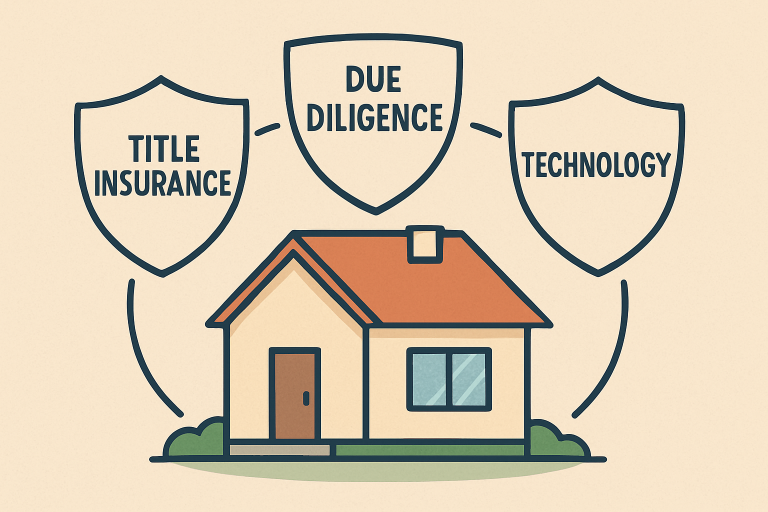
- Title insurance, comprehensive due diligence, and leveraging the right technology are critical safeguards.
- Client education, clear communication, and seasoned professionals are pillars of a safe and successful transaction.
Understanding Common Risks in Real Estate Deals
Real estate transactions are among the largest and most important financial decisions many people make, but they come with inherent risks that can derail even the most promising deals. From unexpected title defects and fraudulent practices to sharp market fluctuations, navigating these transactions requires keen awareness and proactive planning. Identifying and understanding these potential dangers early allows investors and homebuyers to take the necessary precautions.
Working with a local professional, such as Washington, DC real estate agent Tom Daley, provides an added layer of expertise. A knowledgeable agent can offer practical risk insights tailored to specific neighborhoods, market cycles, and transaction types, helping clients avoid pitfalls unique to their situation.
The Role of Title Insurance in Mitigating Risks
One of the most effective tools to reduce risk in real estate is title insurance. This policy protects buyers and lenders against potential claims or legal fees resulting from disputes over property ownership. Title insurance is crucial because issues such as undisclosed heirs, clerical errors, or prior liens can arise years after a purchase.
A report by First American Financial Corp. found the title industry mitigates over $600 billion in estimated risk exposure each year, making it an essential safeguard in the transaction process.
Implementing Thorough Due Diligence
Exercising due diligence is a cornerstone of safe real estate investing. This means verifying ownership records, assessing local property values, understanding any zoning restrictions, and confirming compliance with city or community guidelines. Beyond public records, due diligence should involve physical inspections and environmental assessments when necessary. Comprehensive research uncovers hidden issues before they become costly problems.
Leveraging Technology for Enhanced Security
Innovative technologies are influencing how buyers, sellers, and agents reduce risk. Blockchain-based solutions, for example, offer secure, unalterable records of transactions, making it more difficult for bad actors to commit fraud or manipulate documents. Electronic signatures and secure online communication platforms further protect sensitive information and streamline the closing process. According to Forbes, blockchain and AI are rapidly transforming real estate security by providing enhanced transparency and accountability. Discover how technology is changing real estate transactions.
Understanding Regulatory Changes
Real estate is subject to a dynamic regulatory environment, with compliance changes often aimed at curbing fraud and increasing transparency. The U.S. Department of the Treasury has implemented a requirement for reporting all-cash residential purchases made by legal entities or trusts, aiming to prevent money laundering and other financial crimes. Staying current on such regulations—at both the federal and local levels—is crucial for successful and compliant transactions. For detailed insights on these new requirements, the Associated Press provides an overview.
Educating Clients on Potential Threats
Client awareness is a crucial yet often overlooked aspect of risk reduction. For example, real estate wire fraud is a growing problem, especially among first-time buyers who may not know the warning signs. According to the FBI, real estate fraud resulted in losses of $173.6 million in 2024. Continuous education campaigns and open communication between clients and agents are essential for preventing such scams. Buyers and sellers should be educated on confirming instructions directly with trusted contacts—never over public or email channels. Read more about the impact of email scams on real estate transactions.
Establishing Clear Communication Channels
Breakdowns in communication often lead to confusion, delays, and costly errors that can jeopardize an entire transaction. From the moment an offer is made through final execution, consistent and transparent information sharing among all parties is critical. Establishing clear points of contact ensures accountability, while secure document management platforms help prevent lost or outdated files. Regular check-ins and status updates keep stakeholders aligned on timelines, responsibilities, and upcoming actions. When communication protocols are well-defined and actively followed, the risk of overlooked details or missed deadlines is significantly reduced, leading to smoother transactions, faster resolutions, and greater confidence for all parties involved.
Engaging Experienced Professionals
Relying on experienced real estate agents, attorneys, and inspectors is crucial to a smooth and secure process. Proven professionals bring a wealth of local and industry knowledge, offering guidance on complex contractual issues and negotiation tactics. By partnering with trustworthy experts, buyers and sellers are more likely to anticipate hurdles and address them before they become significant problems. Resources like The National Association of Realtors offer tips for finding and evaluating reputable real estate professionals.
Conclusion
Reducing risk in real estate transactions is a multi-pronged mission that requires diligent research, innovative thinking, and collaborative teamwork. By implementing thorough due diligence, leveraging modern technology, staying informed about regulations, prioritizing client education, fostering clear communication, and collaborating with seasoned professionals, all parties can protect themselves and help ensure a successful and secure closing. A proactive approach not only safeguards investments but also builds trust and confidence in every real estate venture.
