

Understanding the Role of Insurance Adjusters
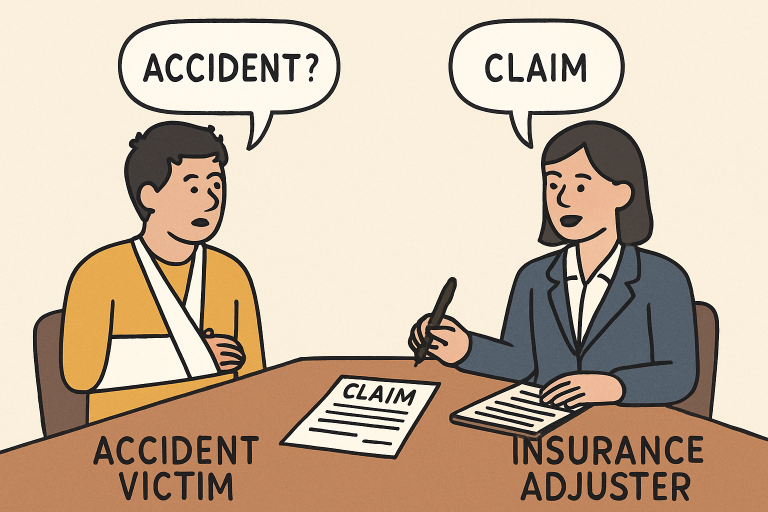
After an accident, effective communication with insurance adjusters is crucial to ensuring a fair and just outcome for your claim. Insurance companies hire insurance adjusters to assess claims and determine the amount of financial responsibility the company should accept. Their role is essential not only to the insurer but also to you as the policyholder or claimant. However, their primary obligation is to protect the financial interests of the insurance company, which means their evaluation may not always align with your best interests. It’s wise to approach these interactions informed and prepared. If you’re seeking further guidance, valuable information and resources are available from quinnlawyers.com.
Adjusters typically investigate the facts of the accident, review documentation, and may contact involved parties and witnesses. Their findings significantly influence the settlement amount and the speed of claim resolution. Because adjusters aim to minimize payouts, claimants should be aware that any information they share may affect the final settlement. Taking proactive steps right after an accident can help you protect your claim and support your case for fair compensation.
Initial Steps to Take Post-Accident
- Document the Scene: Use your phone or camera to take comprehensive photographs of the accident site, damaged vehicles, traffic signs or signals, and any visible injuries. Detailed documentation provides objective evidence that can strengthen your claim.
- Gather Witness Information: If any bystanders or passengers witnessed the accident, collect their names and contact information. Witness testimony can be valuable if there are disputes about what happened.
- Seek Medical Attention: Some injuries might not be immediately apparent. Regardless of how you feel, undergo a professional medical evaluation and retain all medical records and bills. This step is vital for your health and critical to your documentation.
Your immediate actions serve as the foundation for any potential claim and help prevent disputes down the line. Take time to write down your own account of the events while the details are still precise in your memory.
Communicating with Insurance Adjusters: Best Practices
- Limit Personal Information: Only give necessary information such as your name, contact details, and the basic facts of the accident. Avoid sharing deeper personal details or speculating about the cause of the incident.
- Avoid Discussing Fault: You might feel prompted to explain yourself or what happened. However, refrain from making any statements that could be interpreted as admitting liability or fault for the accident.
- Do Not Provide Recorded Statements: Insurers often request recorded statements early in the process. Politely decline until you’ve spoken with an attorney, as these statements can be used against you later.
- Be Cautious with Medical Information: Do not share details about your injuries or treatment until the full extent has been evaluated. Incomplete information could undermine the seriousness of your claim.
- Document All Interactions: Keep meticulous records of every exchange with the adjuster, including emails, letters, phone calls, and in-person meetings. Note dates, times, and the gist of each conversation.
For an in-depth review of your rights as a policyholder, see the consumer information provided by the National Association of Insurance Commissioners.
Common Pitfalls to Avoid
- Accepting Early Settlement Offers: Insurance companies may present early settlement options that seem appealing. However, these initial offers rarely account for all of your losses, future medical expenses, or full property damage. Before agreeing to anything, seek legal advice to ensure you are not settling for less than you deserve.
- Signing Documents Without Review: Insurers may ask you to sign release forms, medical authorizations, or settlement agreements. Never sign documents without reading them carefully and having them reviewed by a legal professional who understands your situation.
- Discussing the Accident on Social Media: Insurers and defense attorneys may review your social media posts. Avoid discussing details of the accident, injuries, or claim online, as your statements or photos can be misinterpreted and used to challenge the validity of your claim.
For more common mistakes to avoid during the insurance process, review this comprehensive guide from Consumer Reports.
When to Seek Legal Assistance
Navigating insurance claims can be overwhelming, especially when you are recovering from an accident. If you feel pressured by an adjuster, encounter liability disputes, or believe the settlement won’t cover your losses, contact a personal injury attorney. Lawyers experienced in insurance negotiations can provide crucial advice, communicate with insurance companies on your behalf, and help you pursue full and fair compensation. Many offer free initial consultations.
Conclusion
Communicating with insurance adjusters after an accident requires careful preparation and vigilance. By understanding the role of adjusters, taking organized steps after an incident, and sticking to best practices during discussions, you can significantly strengthen your claim. Avoid common errors, seek legal help when necessary, and reference authoritative resources to guide your decisions. With the right approach and support, you can better protect your interests and rights throughout the claims process.
Must Read: Why Wrestling Legends Can’t Stay Away from the WWE Ring
