

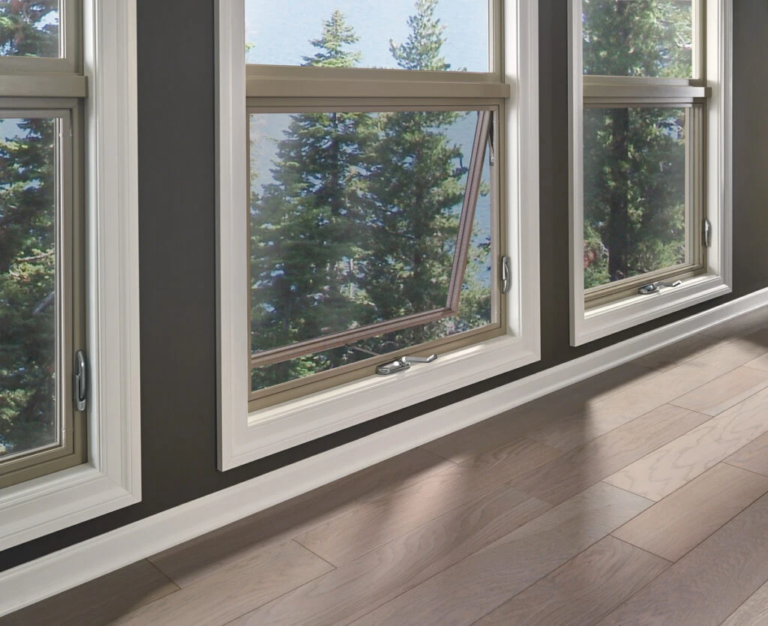
For decades, double glazing has been the default choice for residential windows in the United States. It is familiar, widely available, and relatively affordable. In Europe, however, the conversation moved in a different direction much earlier. Today, triple glazing is no longer seen as a premium add-on but as a logical response to modern architectural and energy-efficiency demands especially when developed by a European manufacturer of aluminum windows with long-term performance in mind.
As American homes evolve, the European experience offers practical lessons rather than theoretical ideals.
How Double Glazing Became the Norm in the U.S.
Double-glazed windows gained popularity in the U.S. for clear reasons:
- they provided a noticeable improvement over single-pane glass
- they matched the needs of moderate climates in many regions
- they fit well into mass-produced window systems
For many years, this solution worked. But contemporary residential architecture has changed. Larger glass surfaces, open floor plans, and higher expectations for comfort now place much greater demands on window performance.
Why Europe Took a Different Path
In Europe, stricter building regulations and long-term energy strategies accelerated innovation. Manufacturers were pushed to reduce heat loss, improve indoor comfort, and ensure durability over decades not just years.
This environment led to the widespread adoption of triple glazing, particularly in:
- low-energy and high-performance homes
- residential projects with large glazed areas
- regions with cold or variable climates
Triple glazing, with its three panes of glass and two insulated chambers, significantly improves thermal stability compared to traditional double-glazed units.
What the Performance Difference Means in Daily Life
The advantages of triple glazing are not limited to technical data sheets. Homeowners typically notice:
- more stable indoor temperatures during winter
- reduced cold zones near large windows
- improved acoustic comfort
- lower reliance on heating and cooling systems
These benefits become especially relevant in colder U.S. regions and in Canada, where long heating seasons amplify even small efficiency gains.
Not Just for Cold Climates
A common assumption is that triple glazing only makes sense in northern regions. European practice shows otherwise.
Triple-glazed units are increasingly used in:
- homes with panoramic or floor-to-ceiling windows
- custom residences focused on comfort and privacy
- projects where noise reduction is a priority
When combined with appropriate coatings, triple glazing can also help manage solar heat gain in warmer climates, contributing to more balanced indoor conditions year-round.
The Role of Modern Aluminum Window Systems
Triple glazing performs best when paired with advanced window frames. Modern aluminum systems developed in Europe are designed specifically to handle heavier glass units while maintaining slim, elegant profiles.
Key characteristics include:
- high-performance thermal breaks
- reinforced frame geometry
- precise engineering for long-term dimensional stability
This is why aluminum, once criticized for poor thermal performance, has become a preferred material in high-end residential projects when engineered correctly.
Initial Cost vs Long-Term Value
It is true that triple glazing involves a higher upfront investment. European experience, however, consistently shows that this cost is offset over time through:
- reduced energy expenses
- improved living comfort
- increased property value
- longer service life of window systems
For custom-built homes, the decision often shifts from short-term savings to long-term value.
What American Homeowners Can Take from the European Model
The European approach to glazing is not about excess it is about foresight. Windows are viewed as part of the building envelope that must perform reliably for decades.
As residential architecture in the U.S. continues to adopt larger glass areas and higher efficiency standards, European aluminum windows combined with triple glazing offer a proven, practical reference point rather than an experimental solution.
Conclusion
The comparison between triple glazing and double glazing is ultimately about expectations. Double glazing still meets basic requirements, but triple glazing reflects where residential construction is heading.
European experience demonstrates that, when properly designed and integrated into modern aluminum systems, triple glazing delivers tangible benefits in comfort, efficiency, and durability. For American homes that aim to perform at a higher level, it is no longer a question of innovation it is a question of relevance.
Must Read: Essential Products for Heat Styling Damaged Hair Safely
