

Key Takeaways
- Fire service symbols encapsulate the profession’s rich history and core values.
- Emblems like badges and patches serve as identifiers and foster unity among firefighters.
- Understanding these symbols enhances appreciation for the fire service’s culture and traditions.
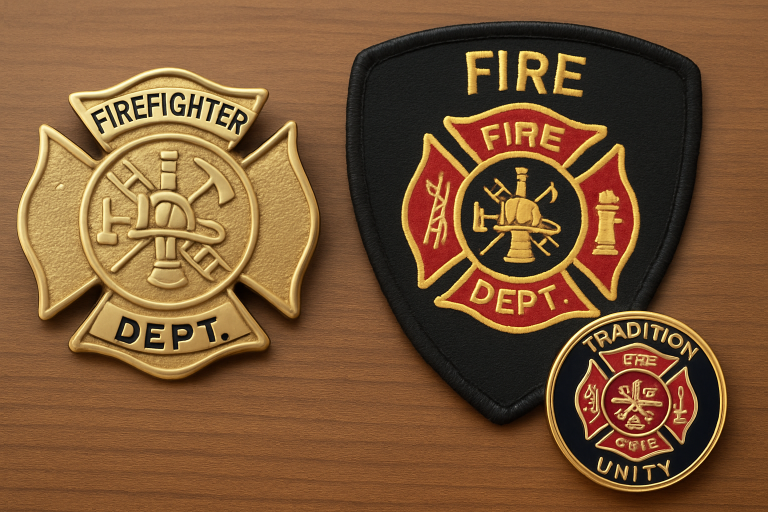
When you step inside a firehouse, you quickly notice that symbols are everywhere. From the badges gleaming on uniforms to the patches sewn onto jackets, every element has a story and a significance that has evolved over generations. These symbols are steeped in legacy, embodying the courage, dedication, and values of all those who have served before. The ritual of carrying or trading a firefighter challenge coin is one enduring example of how even the smallest tokens become emblems of tradition and camaraderie within the fire service.
Fire service symbols go far beyond ornamentation. They are tools of identity, trust, and pride, uniting crews and connecting firefighters to a larger brotherhood. Every patch, badge, or coin is a tangible link to the past, and a reminder to live up to the standards set by those who came before. Symbolism is woven deeply into the culture, shaping how firefighters view themselves, each other, and the mission they undertake.
Whether it is the distinctive station number stitched on a sleeve or the design of a memorial badge, these icons communicate experience, expertise, and emotion to outsiders and insiders alike. Many pieces of fire service iconography hold layers of meaning that serve both as sources of pride and as teaching tools for new recruits. The traditions fostered by these symbols shape a sense of continuity, helping firefighters feel part of something bigger than themselves.
As firehouses grow more diverse and modernized, the language of symbols continues to bind teams together, transmitting the institution’s most cherished values to every generation.
The Significance of Firefighter Badges
The firefighter badge is perhaps the most recognizable symbol in the profession. These metallic “shields” represent not only authority but also a solemn pledge to protect life and property. The intricate designs of these badges incorporate elements such as the Maltese cross (a universal symbol of valor that originated with the Knights of St. John), axes, and bugles. Each element provides a window into firefighting history, and wearing the badge is an act of carrying that history forward. The badge is displayed with honor during ceremonies and daily duties alike, reminding firefighters and the public of the deep commitment embodied by those who serve.
Patches: Emblems of Identity and Pride
Firefighters often display colorful, highly detailed patches that indicate their department, specialties, and sometimes personal or unit achievements. These patches carry tremendous pride. They are more than just identifiers: they also serve as conversation starters and means of building bonds, both within firehouses and at interdepartmental events. Many firefighters collect, trade, and display these patches, turning them into cherished keepsakes and a visible map of their career journeys. Patches may depict local icons, slogans, or mascots unique to a city or region, and for outsiders, they offer a glimpse into the close-knit nature of the firefighting community.
Bugles and Rank Insignia
Symbols of hierarchy, such as bugles, are prominently featured in fire service insignia. Once a practical tool for communication on the fireground, the bugle today serves as a symbol of rank and lines of authority. A single bugle denotes a lieutenant; more crossed bugles indicate higher ranks like captain, battalion chief, and ultimately fire chief. These insignias, sometimes subtly integrated into badge designs or uniform pins, instantly convey both role and responsibility within the organization. Rank insignia is universally respected, reinforcing the chain of command and the tradition of leadership within each firehouse.
Station Numbers and Local Pride
Firefighters develop fierce loyalty to their station or unit, and nothing embodies this better than unique station numbers, mascots, or catchphrases embedded into patches and station crests. These identifiers are sources of immense pride and tradition, often serving as the foundation for departmental morale. Each station’s unique symbols connect firefighters to their community, foster internal unity, and anchor the department in local history. Beyond the surface, stories behind these emblems might reveal a unit’s specialty, a heroic moment, or inside jokes passed down through generations. Collecting and trading station patches is a beloved tradition that honors past achievements and builds bridges with other departments nationwide.
Memorial Symbols: Honoring Sacrifice
Some of the most poignant symbols in the fire service are those associated with memorial and remembrance. The black band placed over a badge after a line-of-duty death is instantly understood as a sign of mourning and respect. Fire bells, often struck in sequence during memorial ceremonies, evoke a deep sense of history and loss. Statues and permanent memorials provide a solemn space to honor those who made the ultimate sacrifice, serving as focal points for annual remembrance gatherings. These symbols ensure that the names and deeds of fallen firefighters are never forgotten, underscoring the selflessness that defines the profession.
The Kitchen Table: A Symbol of Brotherhood
Amidst all the official insignia, the humble kitchen table stands out as perhaps the fire service’s most cherished symbol of unity. It is more than a gathering spot: it is the cornerstone of firehouse culture. Here, firefighters share meals, life stories, and mentorship, facing both routine conversation and hard moments together. The relationships forged around the kitchen table are foundational to team cohesion and mutual trust. As daily routines and ceremonies shift, this tradition remains central, bridging generations and reminding firefighters of their shared humanity.
Conclusion
Small symbols in the fire service hold outsized meaning, cultivating a fierce sense of belonging and continuity. Whether it is a badge, patch, or memorial statue, each carries with it values, lessons, and stories that bind crews together and honor the sacrifices of those who paved the way. Understanding and respecting these symbols is essential for anyone wishing to truly know and appreciate fire service culture.
