

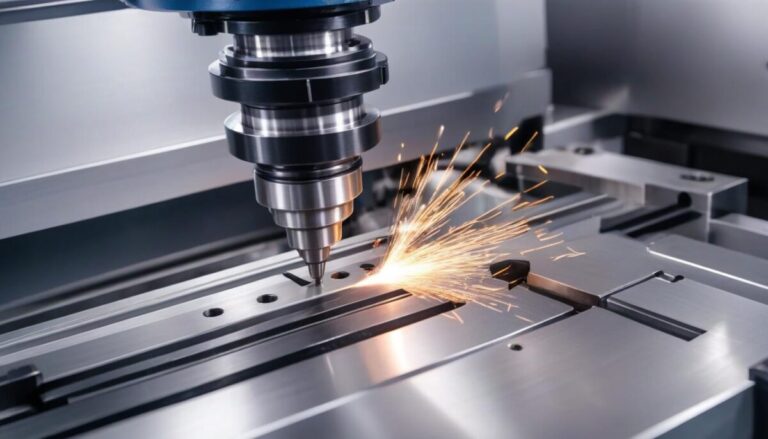
Industrial metal parts are essential to modern manufacturing. From automotive engines to electronic housings and industrial machinery, these components must perform reliably under stress, heat, and harsh environments. Durability determines how long a metal component can function before wear, corrosion, or fatigue causes failure.
For manufacturers and engineers, improving durability means reducing downtime, lowering maintenance costs, and ensuring operational safety. Several factors influence how long a metal component lasts, including material selection, manufacturing methods, protective coatings, environmental conditions, and quality control processes.
This article explains the key elements that affect durability and how modern manufacturing ecosystems such as die casting Mexico and plating services Mexico contribute to producing long‑lasting industrial components.
What Durability Means in Industrial Metal Components
Durability refers to the ability of a metal part to maintain structural integrity and performance over time. In industrial settings, components are often exposed to mechanical loads, friction, chemicals, moisture, and temperature fluctuations.
A durable component must resist several types of damage:
- Corrosion caused by moisture and chemicals
- Mechanical wear from friction
- Structural fatigue from repeated stress
- Thermal expansion and contraction
When durability is prioritized during design and production, equipment operates more efficiently and requires fewer repairs.
Material Selection: The Foundation of Durability
Choosing the right metal is the first step toward producing durable industrial parts. Different metals offer unique mechanical properties that determine how they perform in demanding environments.
Common Metals Used in Industrial Manufacturing
| Metal Type | Key Properties | Typical Applications |
|---|---|---|
| Aluminum Alloys | Lightweight, corrosion resistant | Automotive parts, electronics housings |
| Zinc Alloys | Excellent casting precision | Small mechanical components |
| Stainless Steel | High corrosion resistance | Industrial equipment and tools |
| Steel | High strength and durability | Structural machinery parts |
Aluminum and zinc alloys are particularly popular for high‑volume manufacturing because they provide a strong balance between weight, strength, and manufacturability.
Manufacturing Processes and Their Impact
The manufacturing method used to produce a component greatly influences its structural integrity. Processes that create uniform grain structure and minimize defects generally produce stronger parts.
Common manufacturing methods include:
- Casting
- Forging
- Machining
- Stamping
- Additive manufacturing
Among these processes, die casting is widely used for producing complex and precise metal components.
What Is Die Casting Mexico
Die casting Mexico refers to the network of manufacturing companies in Mexico that specialize in producing metal parts using high‑pressure die casting technology.
In this process, molten metal usually aluminum or zinc is injected into hardened steel molds under high pressure. The metal solidifies quickly and forms detailed components with consistent dimensions.
Key Characteristics of Die Casting
- High dimensional accuracy
- Smooth surface finishes
- Ability to produce complex shapes
- High‑volume production efficiency
These characteristics make die casting an ideal manufacturing method for industries that require precision components.
Benefits of Die Casting Mexico
Manufacturers across North America frequently source components from die casting Mexico due to several advantages.
Strong Automotive Manufacturing Base
Mexico is a major hub for automotive production. Many aluminum die‑cast components such as engine housings and transmission cases are manufactured in Mexican facilities.
Cost Efficiency
Competitive labor costs combined with skilled engineering talent allow manufacturers to produce high‑quality components at lower overall costs.
Advanced Manufacturing Infrastructure
Modern die casting plants in Mexico often integrate automation, robotics, and digital quality control systems to improve consistency and reduce defects.
Strategic Location
Mexico’s proximity to the United States and Canada supports efficient supply chains and shorter shipping times.
Surface Protection and Finishing
Even strong metals can degrade when exposed to environmental conditions. Surface treatments help extend the lifespan of metal components by protecting them from corrosion and wear.
Common finishing methods include:
- Powder coating
- Anodizing
- Painting
- Electroplating
These treatments create a protective barrier between the metal surface and the surrounding environment.
Understanding Plating Services Mexico
Plating services Mexico refers to industrial facilities that apply protective metal coatings to manufactured components. Electroplating is the most common process used.
During electroplating, an electrical current deposits a thin layer of metal onto the surface of a component. This coating improves the material’s resistance to corrosion, wear, and chemical damage.
Common Plating Materials
- Nickel
- Chrome
- Zinc
- Copper
- Gold (for electronics)
Each material offers different protective properties depending on the application.
Advantages of Plating for Industrial Parts
Surface plating improves durability in several ways.
Corrosion Resistance
Plated coatings prevent oxidation by isolating the base metal from moisture and air.
Wear Protection
Hard coatings reduce friction and abrasion during operation.
Improved Appearance
Plating can also enhance the visual finish of components used in consumer products or electronics.
Environmental Factors That Affect Metal Durability
Industrial metal components often operate in challenging environments. External conditions can significantly influence how quickly materials degrade.
Temperature Variations
Repeated heating and cooling cycles cause expansion and contraction that can lead to fatigue cracking.
Chemical Exposure
Industrial chemicals, oils, and acids may accelerate corrosion if metal surfaces are not properly protected.
Mechanical Stress
Continuous loads, vibration, and impact gradually weaken materials over time.
Protective coatings and high‑quality manufacturing methods help reduce the effects of these environmental stresses.
Quality Control and Testing
Durable metal components require strict quality control throughout the production process. Manufacturers typically use several inspection techniques.
Common Testing Methods
- X‑ray inspection for internal defects
- Dimensional measurement and tolerance checks
- Corrosion testing
- Fatigue and stress testing
These methods ensure that every component meets engineering standards before it enters service.
Key Factors That Influence Metal Part Durability
The durability of industrial components depends on multiple interconnected factors:
- Proper material selection
- Reliable manufacturing processes
- Protective surface coatings
- Environmental operating conditions
- Strong quality control systems
When these elements are carefully managed, manufacturers can produce components that remain reliable for many years.
Must Read: Proxy services: structure and operating logic
Conclusion
Durability is a critical requirement for industrial metal parts. Components must withstand mechanical stress, environmental exposure, and long operating cycles without failure.
Modern manufacturing ecosystems such as die casting Mexico provide precise and efficient production of aluminum and zinc components used across automotive, electronics, and industrial machinery sectors. At the same time, plating services Mexico help protect these parts from corrosion and wear through advanced surface treatments.
By combining high‑quality materials, advanced manufacturing processes, and protective finishing technologies, manufacturers can significantly extend the lifespan of industrial metal components and improve overall system reliability.
FAQs
What is die casting and why is it used in industrial manufacturing?
Die casting is a manufacturing process in which molten metal is injected into a steel mold under high pressure. It is widely used because it produces precise, durable metal components with smooth surfaces and consistent dimensions.
Why is Mexico a popular location for die casting production?
Mexico has a strong manufacturing infrastructure, skilled workforce, and proximity to the United States and Canada. These factors make die casting Mexico a cost‑effective and reliable option for producing industrial metal components.
What role do plating services play in metal durability?
Plating services apply protective metal coatings that improve corrosion resistance, reduce wear, and enhance surface strength. These coatings help extend the lifespan of industrial parts.
Which metals are commonly used for durable industrial parts?
Common materials include aluminum alloys, zinc alloys, stainless steel, and carbon steel. Each material offers different strengths, weight characteristics, and corrosion resistance.
How can manufacturers improve the durability of metal components?
Manufacturers improve durability by selecting high‑quality materials, using reliable manufacturing processes like die casting, applying protective coatings, and implementing strict quality control testing.
