

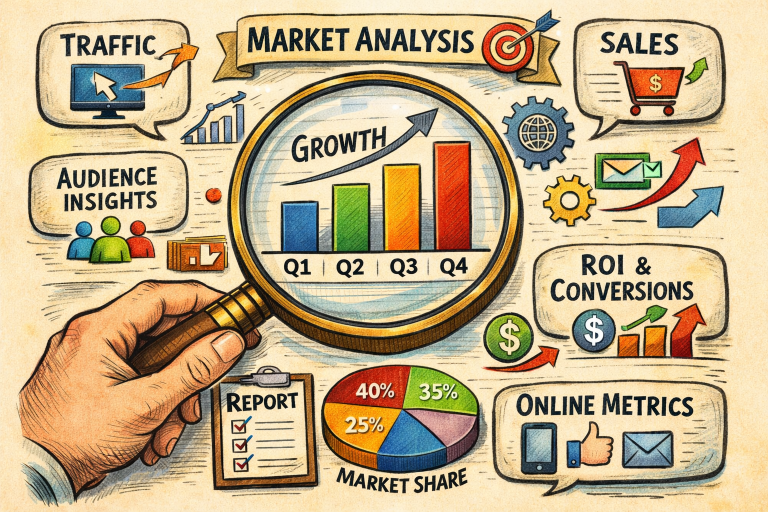
Modern businesses face an ever-shifting digital environment, where only the most adaptable brands succeed. Utilizing data-driven methods is no longer a luxury but a necessity for companies looking to thrive. Concepts like personalization, predictive analytics, and real-time engagement stem from data insights that empower organizations to optimize every customer interaction and maximize results. By using a Digital marketing conversion strategy in a disciplined way, companies can connect with audiences in ways that feel relevant and personalized.
The rise of data-centric approaches transforms not only how campaigns are run but how success is measured. Marketers now have access to unprecedented volumes of information, offering rich opportunities for targeting and refinement. Harnessing these solutions gives businesses the edge in increasing campaign efficiency and delivering meaningful customer experiences that drive sustained growth.
Establishing a robust data-driven digital marketing strategy means continuously evolving, staying ahead of competitors, and meeting consumer expectations for relevancy. The following sections explore the essential elements of these strategies, offering actionable insights for organizations ready to elevate their digital marketing efforts.
Understanding Data-Driven Marketing
At its core, data-driven marketing means making decisions grounded in measurable analysis. Marketers collect and study customer activity data across channels to identify patterns and predict outcomes. This approach empowers teams to move beyond guesswork and deploy precise tactics tailored to audience behavior. According to industry experts, brands integrating data-driven insights outperform competitors by adapting more quickly and personalizing every stage of the customer journey, especially when supported by a well-structured Digital Marketing WCAG Strategy that ensures accessibility and inclusivity across all digital touchpoints.
From website interactions to email open rates and social media engagement, each data point contributes to a clearer understanding of what motivates consumers. The resulting flexibility leads to improved targeting, more engaging content, and higher conversion rates, all while maintaining compliance with accessibility standards that enhance user experience for a broader audience.
Personalization Through Data
Personalization is a standout benefit of adopting a data-driven approach. By analyzing individual user preferences, purchase history, and behavior, businesses create targeted offers and communication that feel customized. E-commerce giants and streaming platforms, for instance, excel at suggesting products or content based on users’ previous browsing. This tactic increases both user satisfaction and conversion rates.
Personalization Techniques
- Dynamic website content that changes according to a user’s browsing history
- Email marketing segmented by purchase activity or engagement levels
- Personalized ad retargeting based on recent searches or abandoned carts
Companies that leverage personalization drive revenue gains of 5 to 15 percent, clearly illustrating the impact of tailored user experiences.
Real-Time Marketing and Behavioral Triggers
Engaging users at critical moments is an essential component of any responsive strategy. Real-time marketing leverages current data to communicate with customers when they are most receptive. For example, automated behavioral triggers can send reminders to shoppers who have abandoned their carts or recommend products right after a user views an item.
This immediacy not only boosts user engagement but also drives conversions. Industry research shows that triggered communications can achieve open rates up to 70% higher than those of generic email campaigns.
In addition, brands that respond in real time can capitalize on fast-moving trends or sudden shifts in consumer sentiment. Quick reactions can enhance brand relevance and help capitalize on timely opportunities. Many companies develop “war rooms” centralized teams dedicated to monitoring digital signals and deploying campaigns or content in response to live events, seasonal moments, or trending topics. This type of flexibility is especially valuable in industries like fashion, travel, or entertainment, where trends can shift at a moment’s notice.
Predictive Analytics for Customer Insights
Predictive analytics uses historical data and advanced algorithms to forecast future trends and consumer behavior. Companies employing these tools can anticipate needs, detect when customers might leave, and proactively intervene with targeted messaging or offers. For example, a business might use purchase data to spot customers likely to churn and deploy loyalty incentives to retain them.
Predictive models also enable better resource allocation and campaign budgeting, ensuring investments are directed toward the audiences and actions most likely to generate results.
Leveraging machine learning and AI-powered analytics platforms further enhances predictive marketing. By continuously learning from new data, these platforms improve forecast precision over time. This iterative process lets marketers fine-tune their tactics, from product recommendations to the timing of special promotions, to improve outcomes continually.
Integrating Offline and Online Data
Today’s consumers engage with brands both online and in physical locations. Companies benefit greatly by integrating these diverse data sources using Customer Data Platforms (CDPs). This unified view helps maintain consistent messaging and fosters a sense of continuity, whether a shopper engages through a mobile app or visits a retail location.
Brands that harness both online and offline data can deliver seamless, personalized experiences throughout the entire buying journey.
Integrating these datasets is not without its challenges. Data silos, privacy considerations, and technical limitations may require significant investments in infrastructure and expertise. However, when executed effectively, cross-channel integration enables a truly customer-centric approach. Retailers, for instance, can use online browsing data to inform in-store interactions, or vice versa, resulting in higher satisfaction and loyalty.
Marketing Automation and Workflow Optimization
Marketing automation software streamlines repetitive tasks such as audience segmentation, campaign scheduling, and lead nurturing. Automating these processes allows marketing teams to focus on strategy and creative development. Workflow optimization reduces errors and saves time, enhancing overall campaign performance and allowing for continuous refinement.
Beyond efficiency, automation platforms often offer advanced reporting and real-time analytics dashboards, providing actionable insights at a glance. This enables organizations to quickly pivot campaigns, A/B test creative assets, and ensure resources are being allocated effectively critical in a landscape where agility can mean the difference between success and missed opportunity.
Attribution Modeling and Multi-Touch Analysis
Understanding which channels contribute to conversions is crucial for optimizing marketing investments. Attribution modeling assigns value to every touchpoint in the customer journey, while multi-touch analysis provides a comprehensive picture of user interactions leading to a sale.
Armed with these insights, businesses can adjust tactics and allocate budgets more effectively, amplifying successful initiatives and refining those that need improvement.
Emerging Trends in Data-Driven Marketing
As data-driven marketing continues to evolve, several emerging trends are shaping the future landscape and offering innovative ways for brands to engage audiences:
- Cookieless Marketing: With the phasing out of third-party cookies, brands are turning to first-party data collection through loyalty programs, surveys, and subscription forms. Building direct relationships with consumers is becoming a primary focus to maintain personalization and targeting capabilities.
- Voice Search and AI Assistants: The popularity of voice search and smart assistants (Amazon’s Alexa, Google Assistant, Apple Siri) is prompting marketers to optimize content for conversational queries and develop new strategies for capturing voice-driven intent data.
- Augmented Reality (AR) and Virtual Reality (VR): These technologies are generating new types of user data, enabling brands to create immersive, interactive digital experiences. Marketers are increasingly leveraging these insights to provide tailored, engaging content and inform future campaign strategies.
- Zero-Party Data: Consumers are more open than ever to sharing preferences directly with brands, as long as this leads to better experiences. Zero-party data information customers proactively provide is highly valuable for designing segments and personalized campaigns without relying on inference.
- Contextual Targeting: Rather than solely tracking individual users, marketers are experimenting with contextual targeting. This approach serves relevant content based on the environment, such as webpage context, keywords, or editorial themes, to maintain compliance and privacy standards while still delivering relevance.
Brands adopting these emerging practices position themselves to navigate the shifts in data privacy laws, technology, and consumer attitudes. This not only ensures compliance but also future-proofs marketing operations and enhances brand trust.
Measuring ROI and Marketing Effectiveness
One of the most significant advantages of data-driven digital marketing is the ability to accurately measure return on investment (ROI). By implementing robust analytics frameworks, businesses can monitor the performance of every marketing initiative in real time. Key performance indicators (KPIs), such as customer acquisition cost, customer lifetime value, and conversion rates, are readily accessible and actionable.
Advanced attribution models, machine-learning-driven forecasting, and customer sentiment analysis provide a deeper evaluation of campaign performance. Organizations that continuously monitor these metrics can identify underperforming tactics, allocate resources strategically, and demonstrate the tangible impact of their marketing investments to stakeholders.
Emphasizing data transparency and clear measurement also helps to foster cross-functional alignment within a company, ensuring that sales, marketing, and customer service teams are all working toward unified goals.
Conclusion
The foundation of successful digital marketing in a dynamic landscape is data. By leveraging real-time insights, personalizing user experiences, utilizing predictive analytics, and integrating data across all channels, organizations position themselves for sustainable, long-term growth. Adopting these principles empowers marketers to meet consumer expectations for relevance and timeliness while driving measurable results.
Embracing a culture of experimentation and continuous learning is vital for staying competitive. As technologies evolve and new platforms emerge, marketers should remain agile constantly testing, learning from campaign data, and refining their approach. The brands that succeed will be those that not only gather data but also use it strategically to build stronger customer relationships and anticipate market changes before the competition.
